
Orangeburg Pipe in Mount Vernon, VA
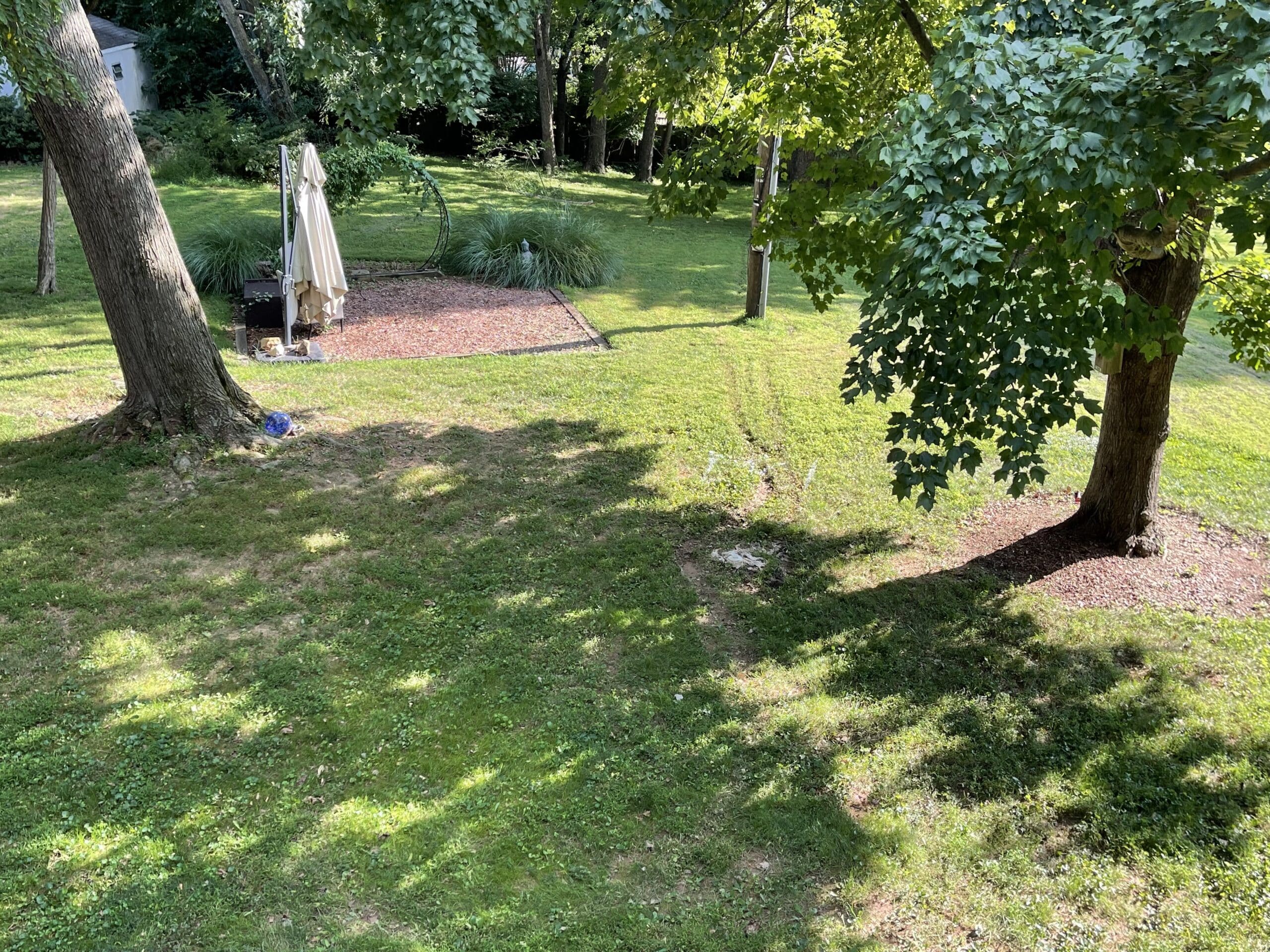
The Mount Vernon district — including the communities of Mount Vernon, Hybla Valley, Groveton, and surrounding neighborhoods in southern Fairfax County — has significant postwar residential development that puts many homes in the Orangeburg pipe risk window. If your home here was built between 1945 and 1972, a sewer camera inspection is worth scheduling before a problem develops.
Mount Vernon’s Development History
Southern Fairfax County along the Route 1 corridor saw substantial residential growth beginning in the late 1940s and continuing through the 1960s. Areas like Hybla Valley, Hollin Hills, Waynewood, and the neighborhoods along Richmond Highway developed during the prime Orangeburg window. Hollin Hills in particular — one of the signature mid-century modern developments in the region — was built entirely in the 1950s.
The Mount Vernon area also includes some older stock near the river communities that predates Orangeburg, as well as some newer construction that postdates it. Age of construction is the key variable.
Communities in This Area
- Hollin Hills: Mid-century modern neighborhood built entirely in the 1950s. Very high Orangeburg risk.
- Waynewood: 1950s–1960s development. High risk.
- Hybla Valley / Groveton: Dense postwar development along Route 1. High risk for pre-1972 homes.
- Mount Vernon Village: Mix of eras — check individual construction date.
- Fort Hunt: Some older homes; mix of clay and Orangeburg depending on build year.
Soil and Site Conditions
Parts of the Mount Vernon area have higher clay soil content and some areas near lower elevations have more moisture in the soil. Both factors accelerate Orangeburg deterioration. Clay soil holds water, keeping Orangeburg pipe damp and promoting faster softening. If your home is in a lower-lying area or near a drainage feature, your Orangeburg may be deteriorating faster than a neighbor’s on higher ground.
What to Watch For
- Slow drains throughout the house — not isolated to one fixture
- Sewage backups, particularly during heavy rain events (soil saturation affects a failing line)
- Wet patches or depressions in the yard along the route to the street
- Mature trees near the sewer line path — roots seek out Orangeburg joints
- Recurring need for drain cleaning that doesn’t fully resolve the problem
Free Camera Inspection in Mount Vernon
Quality Sewer & Drain provides free sewer camera inspections for Mount Vernon area homes with an accessible cleanout. We serve all of the communities in southern Fairfax County along and around the Route 1 corridor. Call (703) 686-7586 or book online.
Related Resources
Orangeburg Pipe in Northern Virginia — Overview
What Is Orangeburg Pipe?
How to Identify Orangeburg Pipe
Camera Inspection — What We Find
Replacement Cost Guide
