
Orangeburg Pipe in Springfield, VA
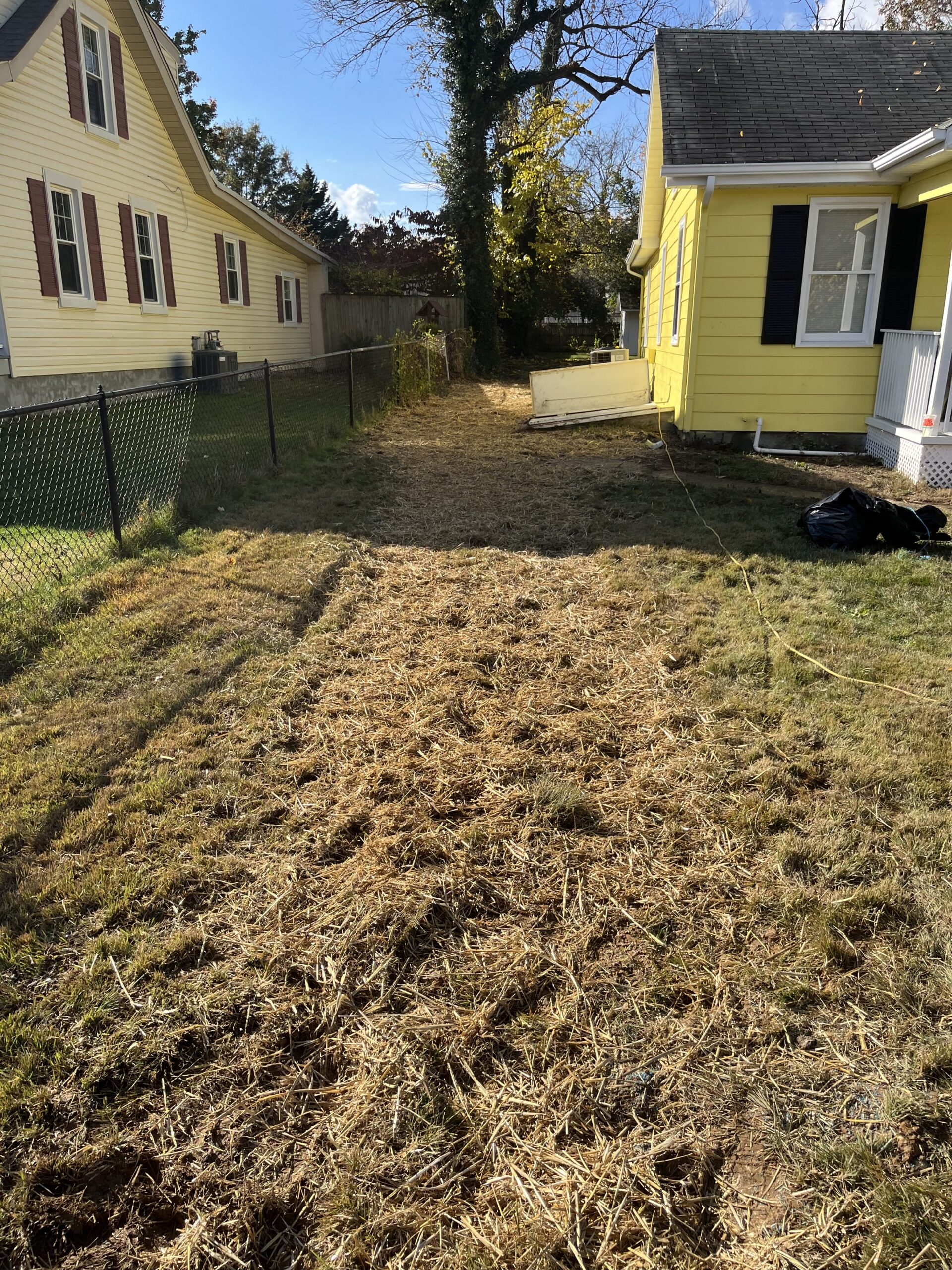
Springfield is one of the largest postwar residential developments in Fairfax County — and that makes it one of the highest-risk areas for Orangeburg sewer pipe in Northern Virginia. Large sections of Springfield were built in the 1950s and 1960s by developers who used Orangeburg pipe as the standard sewer lateral material. If your Springfield home was built before 1972, there’s a meaningful chance your buried sewer line is Orangeburg, and at 55–70 years old, it may be failing.
Springfield’s Development History and Orangeburg Risk
Springfield saw its major residential buildout beginning in the late 1940s and continuing through the 1960s. Builders like Levitt, National Western, and others developed large tracts quickly to meet postwar housing demand. Orangeburg pipe was the economical choice during this period — it was faster to install than clay, cheaper than cast iron, and met the building standards of the day.
Neighborhoods including Newington Forest, Orange Hunt, Rolling Valley, Cardinal Forest, and the older sections of Springfield near Backlick Road and Old Keene Mill Road were predominantly built on Orangeburg sewer laterals. Some sections along Franconia Road and the areas closest to the Beltway were among the earliest to develop — and therefore have the oldest pipe.
Signs of Failing Orangeburg Pipe in Springfield
- Slow drains affecting multiple fixtures — not just one sink or toilet
- Sewer backups that recur after clearing, often during heavy rain or high-use periods
- Gurgling sounds in the toilet or basement floor drain
- Wet areas or depressions in the yard, especially along the path from your house to the street
- Root intrusion — Springfield has mature tree canopies, and roots seek out deforming Orangeburg at pipe joints
- Persistent sewage odor in the yard or basement
What a Camera Inspection Finds
When we scope a pre-1972 Springfield home, we commonly find Orangeburg at varying stages of deterioration. The camera footage tells us whether the pipe is still holding its round shape, beginning to deform, or already partially collapsed. That assessment determines the urgency and the best replacement approach.
We also find clay pipe in some of the oldest Springfield properties and in areas near the original town center. The camera identifies the material and condition regardless of what’s there.
Replacement Options for Springfield Properties
Most Springfield homes are single-family with accessible yards, which makes both open-cut excavation and pipe bursting viable options depending on pipe condition. Typical laterals run 40–70 feet. Pipe bursting is preferred when the existing pipe still has enough structural integrity for the bursting head to pass through — our inspection determines eligibility.
Properties with driveways or hardscape over the sewer line route require additional planning. We’ll identify any such complications during the inspection visit and factor them into the quote. See our pricing guide for typical cost ranges in the area.
Free Camera Inspection for Springfield Homeowners
Quality Sewer & Drain offers free sewer camera inspections for Springfield homes with an accessible cleanout. We’ll tell you exactly what you have, show you the footage, and give you an honest condition assessment. If replacement is needed, we provide a written quote on the spot.
Call (703) 686-7586 or book online. We serve all of Springfield and surrounding Fairfax County.
Related Resources
Orangeburg Pipe in Northern Virginia — Overview
What Is Orangeburg Pipe?
What a Camera Inspection Reveals
Replacement Methods
Cost Guide
